
On Monday and Tuesday of this week, I went to Shaoguan (韶关), a city in the north of Guangdong province to visit a couple of schools. My university has a cooperation with a couple of schools in the Ruyuan (乳源) area, and I am considering the possibility of going there and helping out a bit next semester. We’ll see if it works out.
Since we spent most of our time visiting the schools and trying to figure out how I could help, we didn’t have much time to enjoy the area. The mountains are beautiful, and my heart was longing to go into them, but I didn’t have time to this time. Hopefully I can in the future!
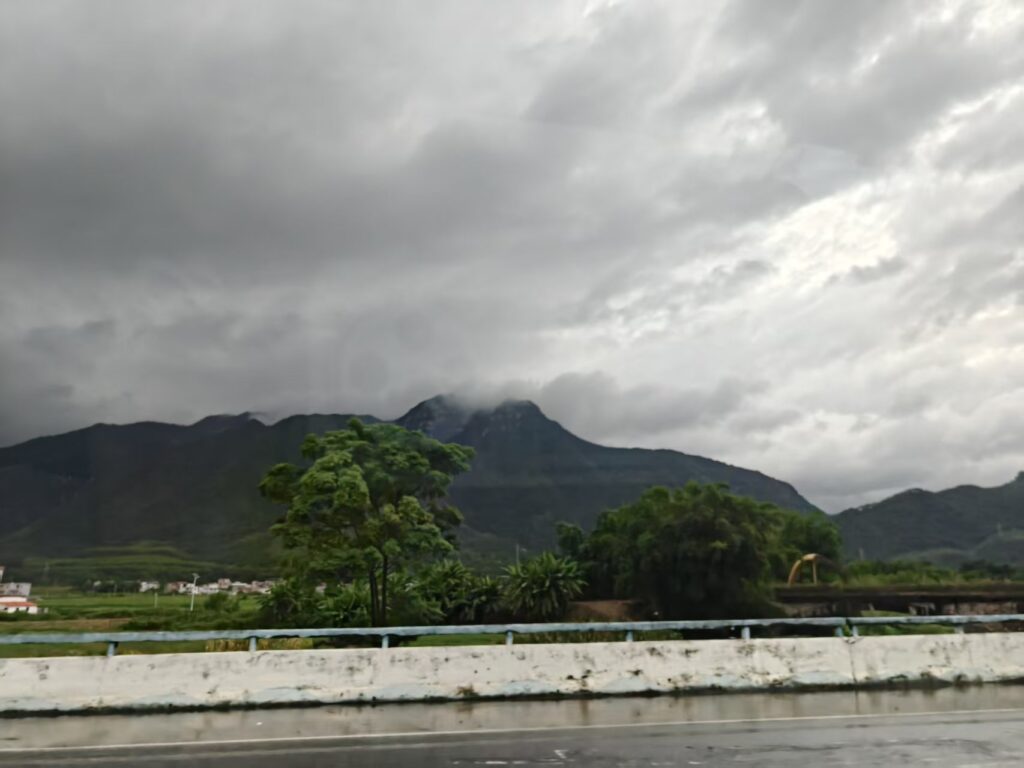
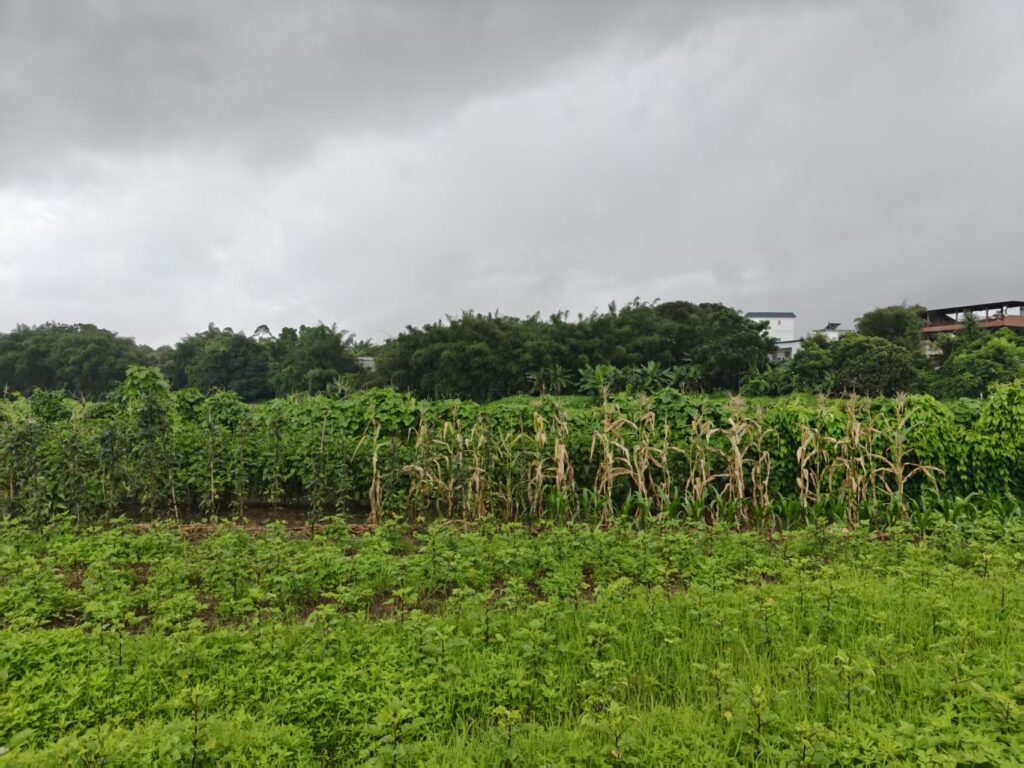
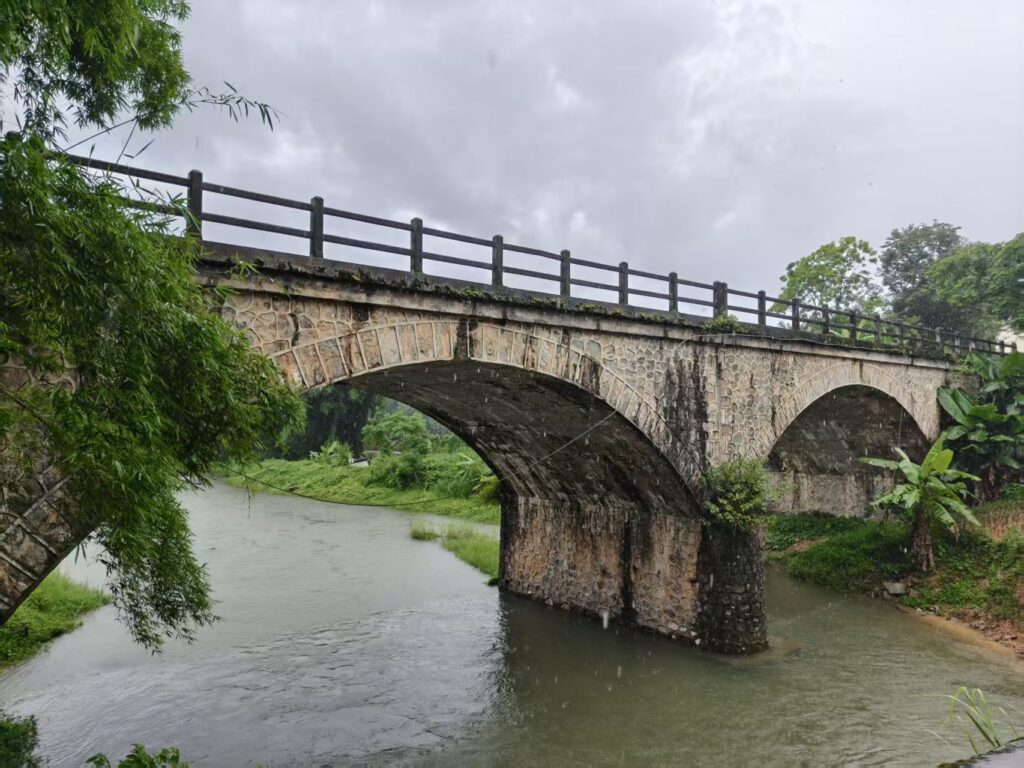
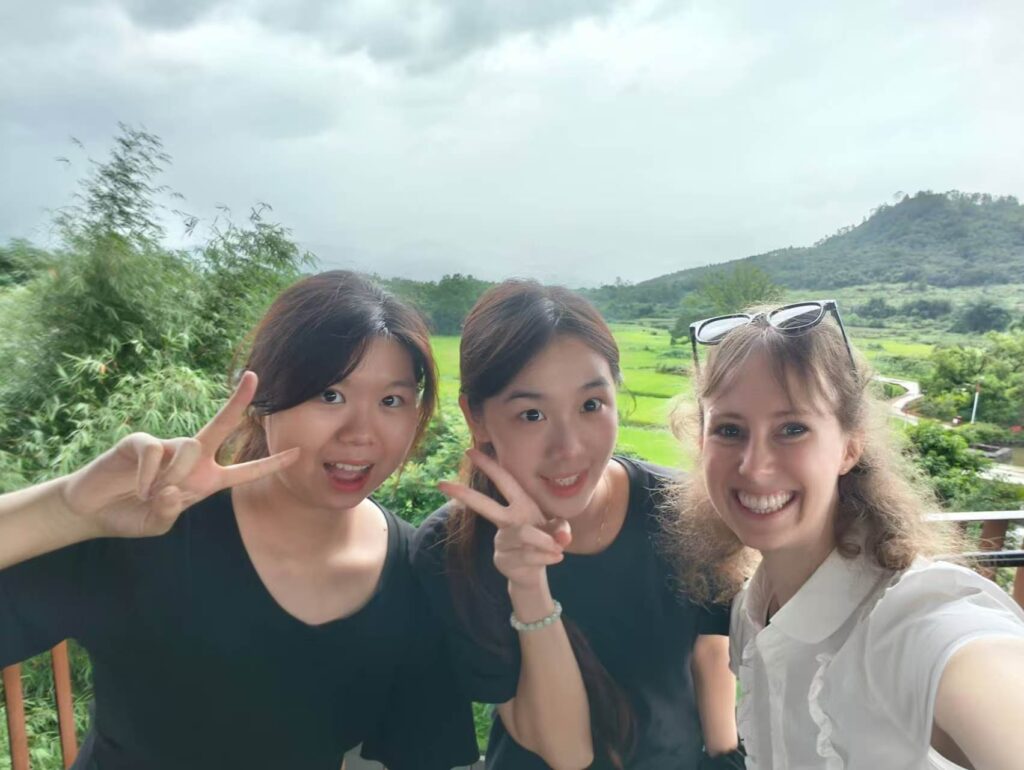
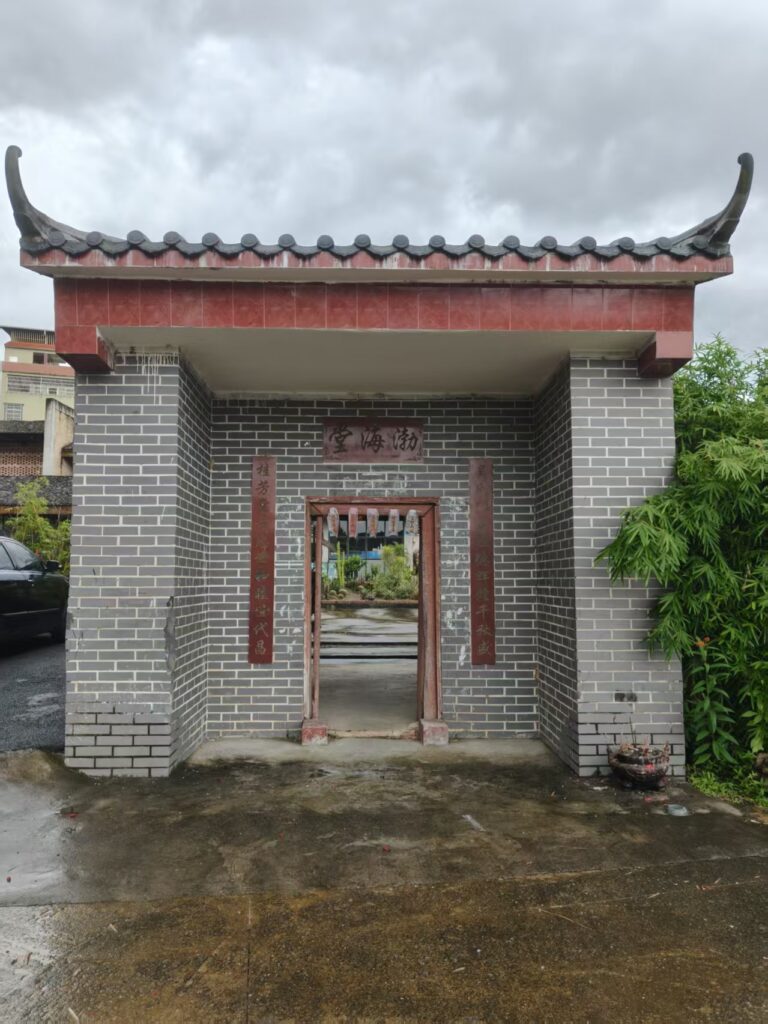
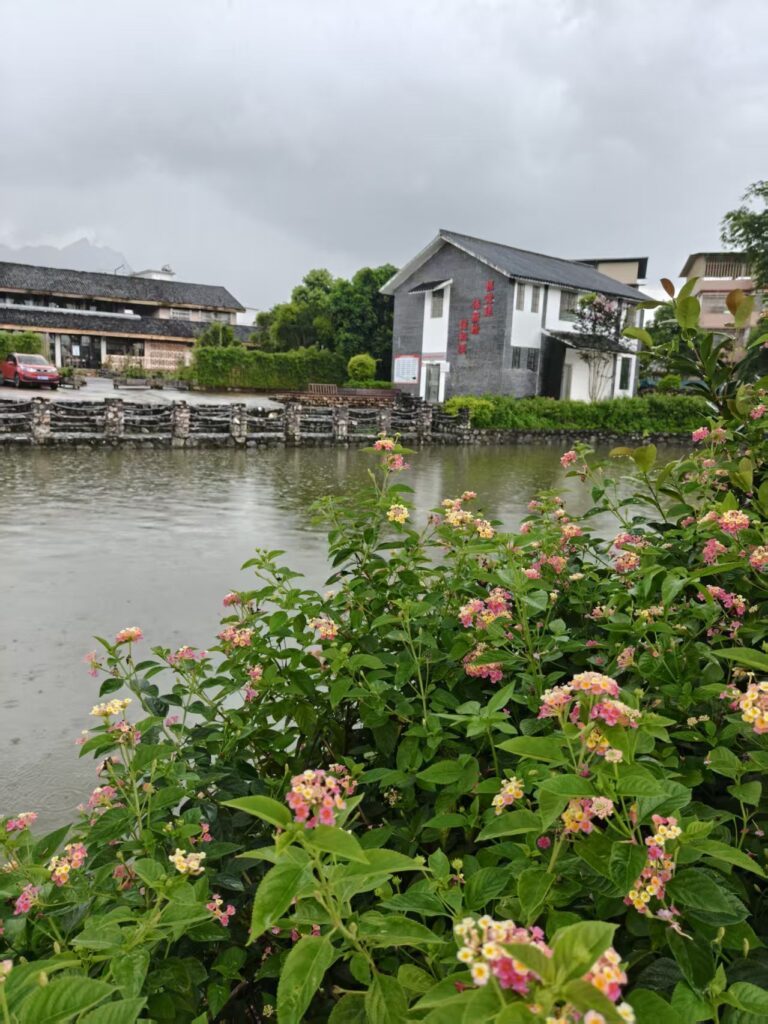
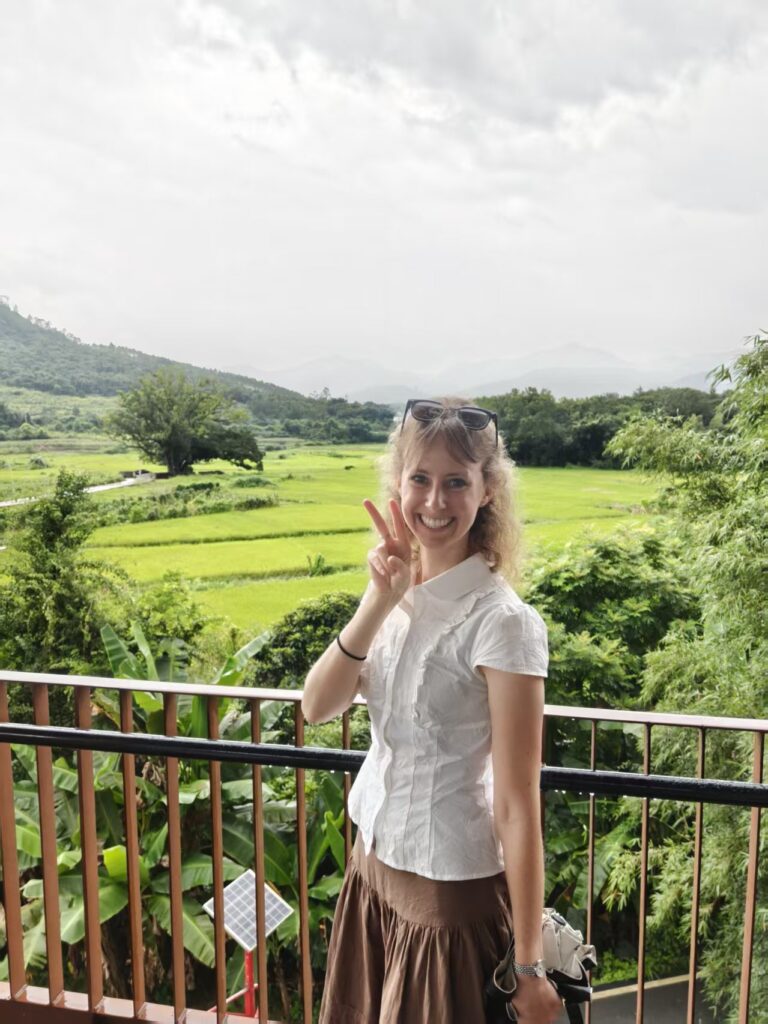
The weather was not very conducive to sightseeing, but we went to a Yao minority (瑶族) village. The Yao Minority people are mostly found in Guangxi province, but they are also found throughout Southern China, including in Guangdong. The leader of the project that I’m a part of told me that a lot of older people in the area spend their time making hand-crafted embroidery and other things. A few minutes later, we passed a shop with the Yao minority clothes on display. The shop was mostly for tourists who wanted to rent the clothes and take pictures. The shop owner was a member of the Yao minority group who had grown up in the village, and I talked with her about the clothes.
The clothes were very elaborate and had some symbolism. A common symbol on the clothes and on the architecture of the nearby buildings was a symbol that represents a tree. I didn’t catch exactly what the tree represents, and I couldn’t find information about it online, but the symbol was common in the clothing and architecture of that area. Several of the Yao minority clothes had lots of little red pompoms hanging off the clothes.
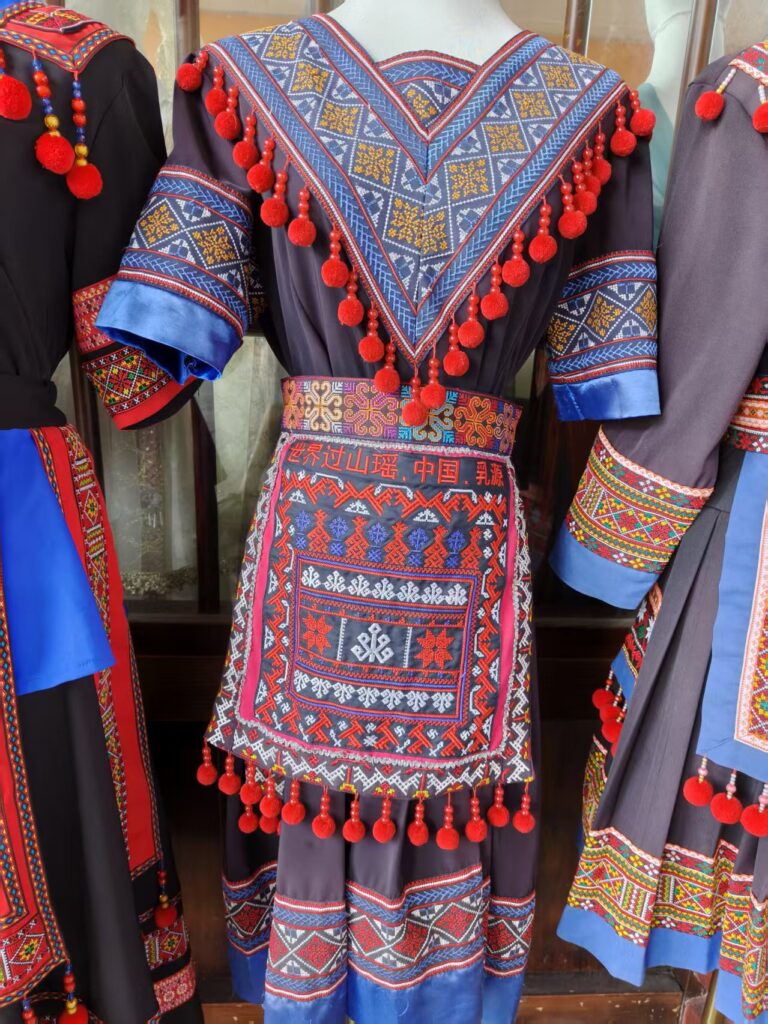
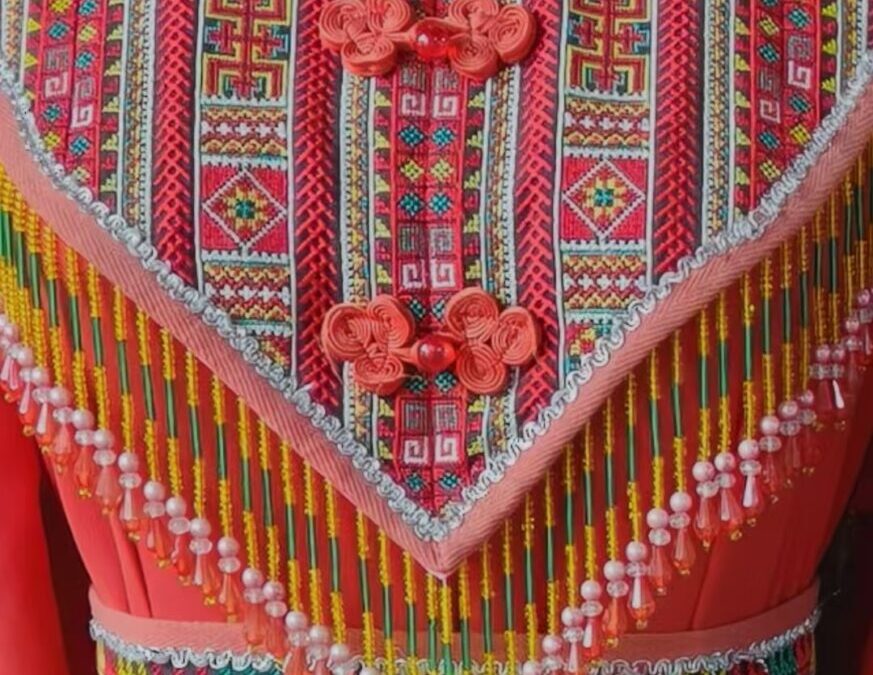
Another dress that was beautiful was a pink one. This one was a bridal dress with a very elaborate headpiece. Rather than pompoms, this one had beaded tassels hanging off most of the embroidered section. The embroidery was beautiful, and it was originally done by hand although they said that now a machine can also do it.
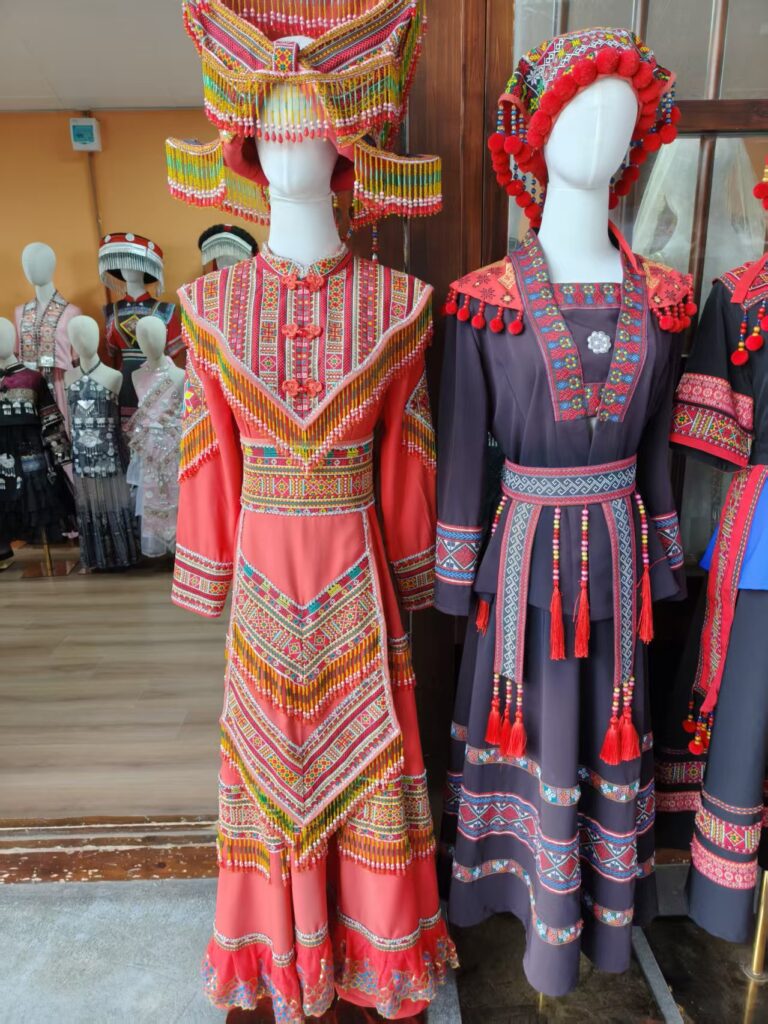
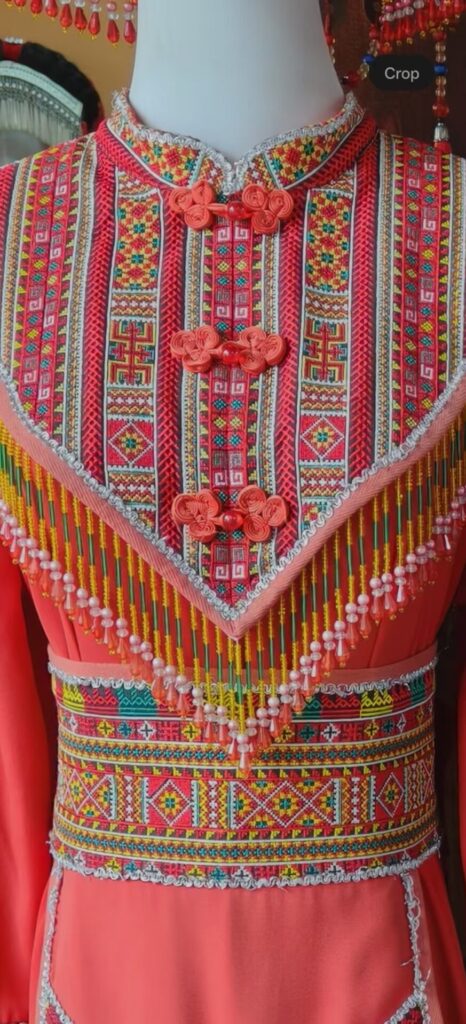
The owner/worker said that just the belt part of this dress would cost thousands of Yuan (several hundred dollars), and the entire outfit would cost at least 10,000 yuan, but probably more like 20 or 30,000 (thousands of dollars). Sadly, since this outfit had been on display, often in strong sunlight, the colors were fading, but it was still beautiful.
Since the dress was on display to attract customers to rent it and take pictures, I asked her if it bothered her for people to choose that one and take pictures in it even if they weren’t getting married. I’ve spent several years in cross-cultural communication classes talking about cultural appropriation, and the difference between that and cultural appreciation. Cultural appropriation is using clothes from another culture out of context and without showing proper respect for the customs of that area and their clothes.
A common example of cultural appropriate is wearing a Native American headdress because they are only worn by Native Americans in very specific situations, and wearing them in other situations does not respect their culture and customs. Since this dress was specifically for brides on their wedding day, I wondered if wearing it to pose for random pictures would be disrespectful to the local people. The lady I talked to didn’t have a problem with it. She didn’t mind at all. Perhaps she is more focused on allowing people to see and enjoy the beautiful clothes. She may also be more concerned about what can help her small business to make money.
On the other side of the display were some outfits in a completely different style. These were from the Miao Minority (苗族) group, but I didn’t talk with the lady as much about those. The two Chinese students that I was with found two dresses and showed me pictures of themselves when they had rented very similar dresses at a different place to take pictures.
I did not rent any clothes that day to take pictures, but it was fun to look at them and learn a bit more about the different outfits.