“Do you want to know the future?” That’s what I asked the students when we were talking about Macbeth, our last Shakespeare play of the semester. Actually, my specific question was: “Why did Macbeth fall? Did he have a choice, or were his evil actions a result of fate or his wife or his job as a soldier?” But through the course of our conversation and class discussion, we ended up talking about whether or not it’s good to know the future.
I have wished to know the future before. If I had known that I would still be single at this stage of my life, maybe I could have saved some worries and frustrations and anxieties. If I knew that bad thing was going to happen, perhaps I could have prepared more for it. Perhaps I could have avoided it.
But is that how Macbeth’s story happened? Macbeth received a prophecy about something good in his own life. But that good prophecy put him on a path to destroy his own life and the lives of many people around him including his wife and his best friend. I like Macbeth at the beginning of the story. When his wife is trying to convince him to kill the king, Macbeth says that he cannot. As the king’s subject, kinsman, and host, Macbeth was in no position to deliver harm. He said, “I dare do all that may become a man. Who dares do more is none.” He refused to do evil. At first. Unfortunately, his resolve failed, and he did kill the king. From then on, he is on a mad path to preserve the kingship that he sacrificed everything to gain.
Would the prophecy have come true if Macbeth didn’t know about it? Did the prophecy happen because Macbeth knew about it, or would he have become king anyway in a less violent way that didn’t force him to compromise his morals?
I have recently been listening to a podcast called The BEMA Podcast with Marty Solomon. The podcast looks at the Bible from a Jewish perspective, thinking about what the Bible would mean to its original audience. In episode number 10: “Walking the Blood Path,” the hosts talk about God’s promise to Abram.
Genesis 15:1-4
After these things the word of the LORD came to Abram in a vision, saying, “Do not fear, Abram, I am a shield to you; Your reward shall be very great.”
Abram said, “O Lord GOD, what will You give me, since I am childless, and the heir of my house is Eliezer of Damascus?” And Abram said, “Since You have given no offspring to me, one born in my house is my heir.” Then behold, the word of the LORD came to him, saying, “This man will not be your heir; but one who will come forth from your own body, he shall be your heir.”
One thing the podcast mentioned that I didn’t know was that a literary device is to repeat the phrase “and Abram said” when Abram was just speaking. This means that some time has passed between these two things that Abram said.
Abram said that he was childless, some time passed, and then he repeated the fact that his servant would be his heir because he had no son. The second time, God answers and tells Abram that God would give him a son.
After receiving this promise, Sarai and Abram decide to try to use Hagar to fulfill God’s promise. This leads to a huge mess and lots of heartache. If Abram didn’t know about that promise, what would have happened?
When Abram repeated the statement, emphasizing that he had no son, was he demanding something from God? Was he challenging God?
For both Macbeth and Abram, they received good prophecies, but then when they tried to make those prophecies happen, they made a mess.
I don’t think prophecies are always bad. Sometimes prophecies help us to see God’s power. The Old Testament is full of prophecies about Jesus. Seeing Jesus fulfill those prophecies helps us to recognize that Jesus is who He claimed to be.
But the more that I see people who received specific prophecies about their future, the more that I think maybe it’s a good thing that God doesn’t give out prophecies too often. If Abraham failed in his response, I can’t imagine I would do any better.
What’s the benefit of not knowing? If I knew that my dream class would only last one semester, would I have put as much work into studying those Shakespeare plays and making the class as good as it could possibly be before it got canceled?
If I knew that my best friend would move away, would I have poured so much time and energy into our relationship? Would I have poured my heart and soul into knowing and loving her?
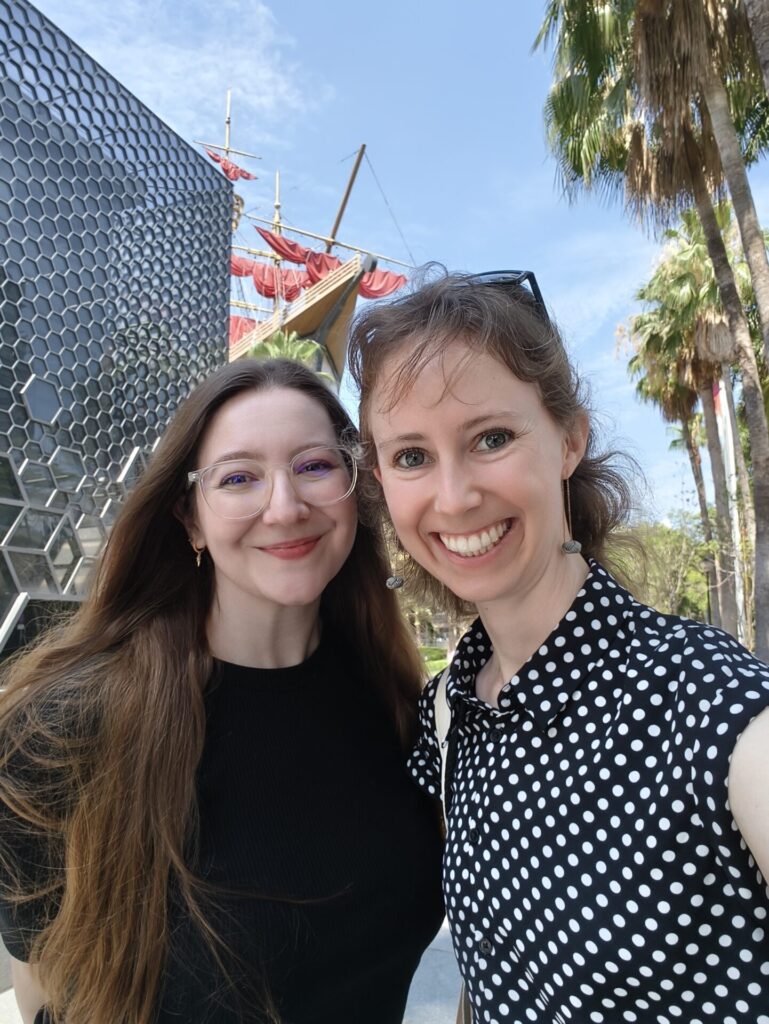
If I knew that the relationship would end, would I have tried so hard to make it work?
If I had known that I would move, would I have spent so much time creating a house that I loved? If I had known I would stay, would I have put more effort into making that house beautiful from the very beginning?
Not knowing the future forces me to make the best possible choice with limited information. When I have limited information, I have to seek God more. I have to pray for His wisdom because I honestly don’t know what to do. And sometimes, I make the wrong choice.
But even when they knew the good things that were coming, Macbeth and Abram both still made the wrong choice(s). Knowing the future doesn’t guarantee wisdom. But God does guarantee wisdom when I ask for it. James 1:5 says, “But if any of you lacks wisdom, let him ask of God, who gives to all generously and without reproach, and it will be given to him.” I am often lacking wisdom, but God promises to give it to me. That’s very good news!
Rather than praying for God to show me the future, I want to spend my time praying and pursuing wisdom. And God. I want to pursue God. Pursuing Him will lead to wisdom because wisdom has been with God from the beginning (Proverbs 8:22-31).
As someone who doesn’t like spoilers, I’m not sure why there are still things that I wish I could know about my life. If I knew the ending, wouldn’t that take some of the fun out of getting there? Since I don’t have much of a choice about whether or not I know the future, I’m going to be thankful for the gift of surprises.
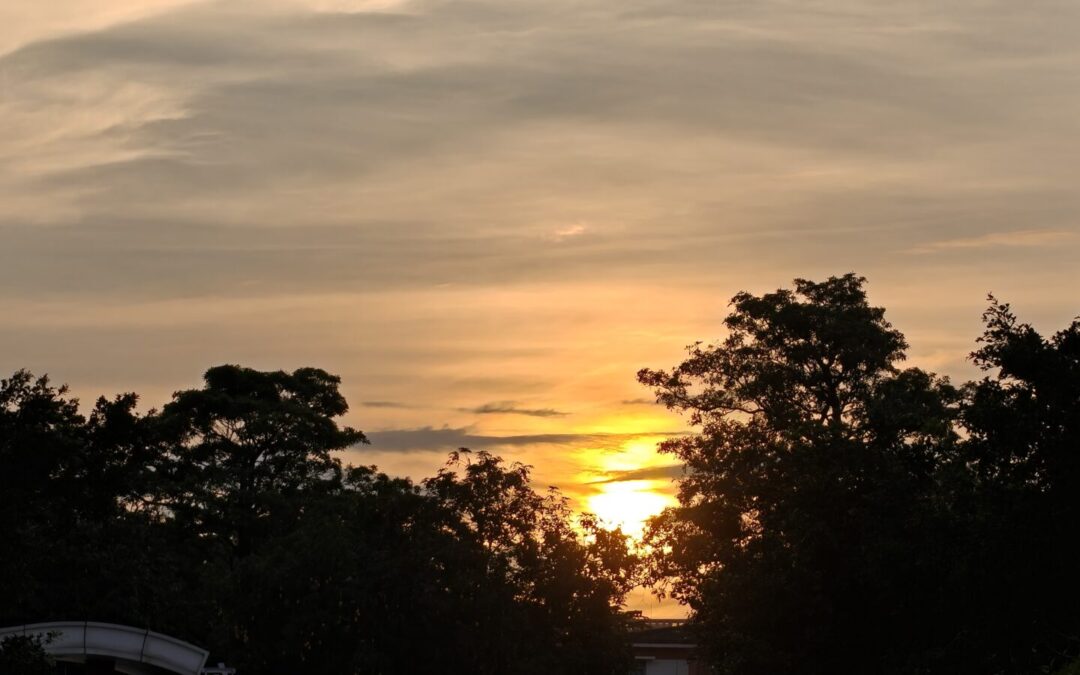
I’m thankful for all of the unexpected blessings that God has brought into my life. There have been unexpected challenges as well, but there have been many wonderful times. I’m thankful for people that I would never have imagined to be my best friends. I’m thankful for a job that has its ups and downs, but what a great job it is! I’m thankful for a home that is just what I want and need for right now. I’m thankful for watermelon juice, sunsets, and a beautiful sky.
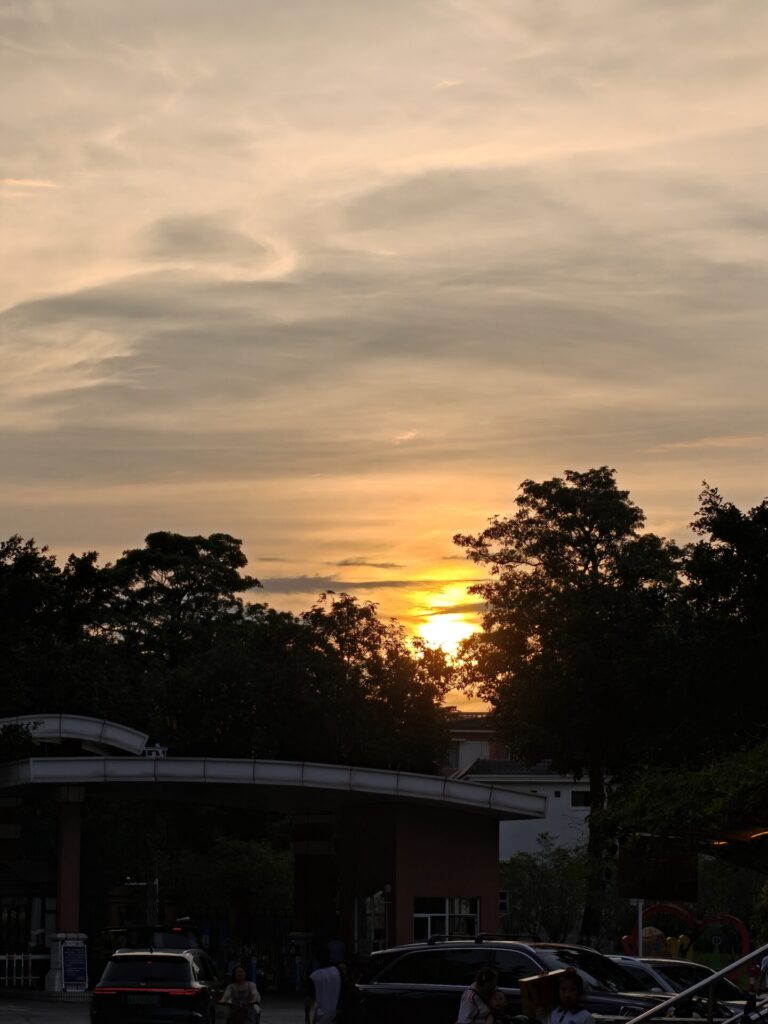
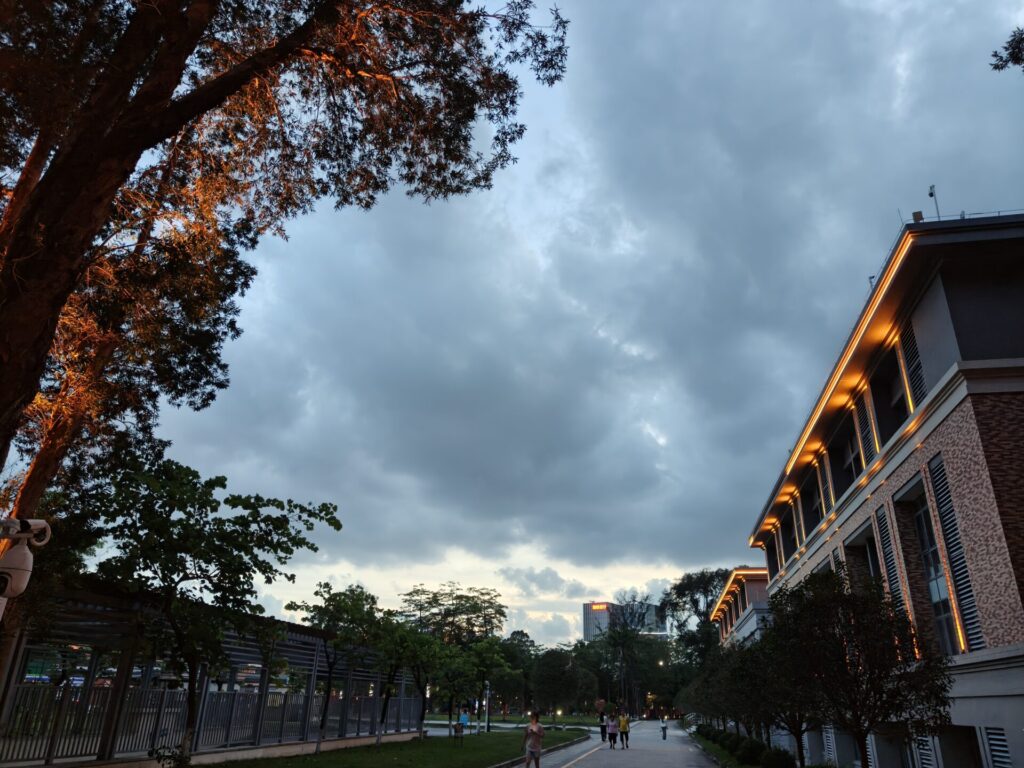

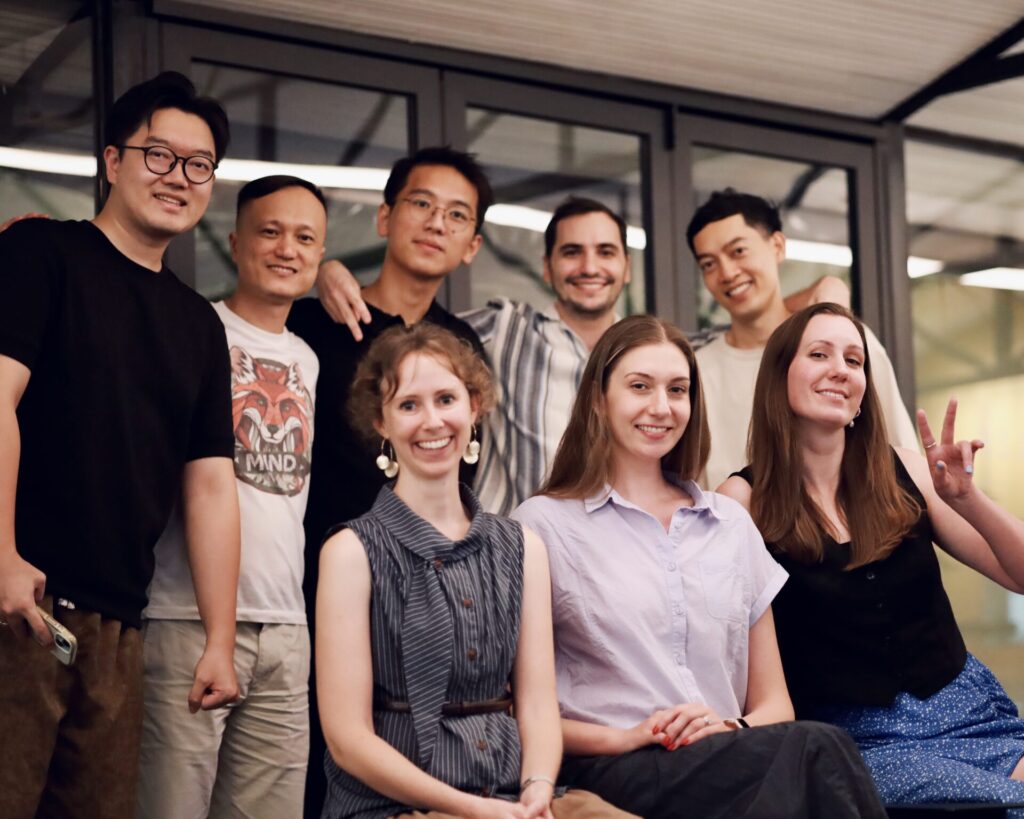
And as nice as it would be to know what’s coming, I’m going to choose to be thankful that I don’t know yet. God’s grace will be sufficient for the challenges, and I know that He will give many blessings as well! And I will rest in the one thing that I do know for sure. My God is in control, and He is good.
I love this one. Even though it’s so disappointing the Shakespeare class got canceled next semester, I feel like it was so worthwhile for thoughts like this.
Great ideas! Thanks for sharing!